
Introduction
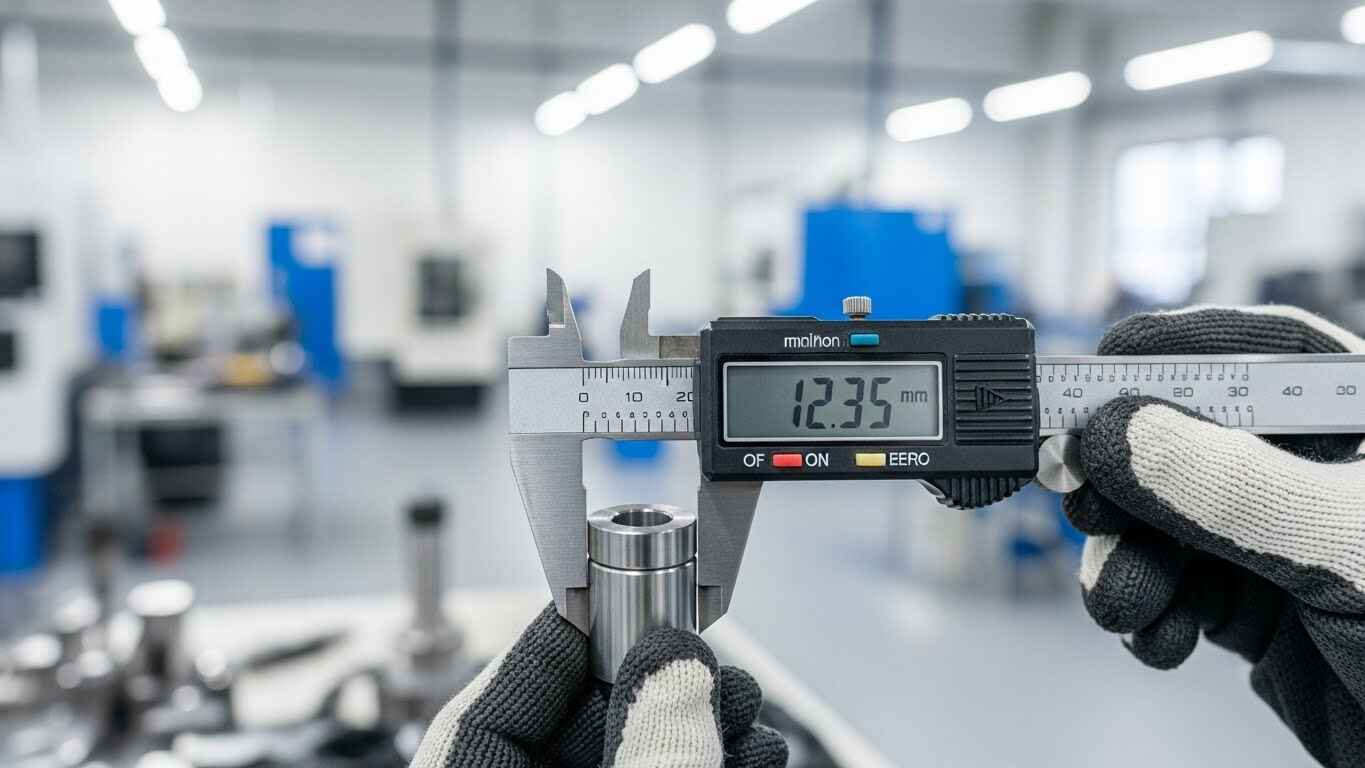
Measuring objects accurately is a critical task in many fields, from woodworking and metalworking to engineering and home DIY projects.
A digital caliper tool makes this task easier, faster, and more precise. Unlike traditional measuring tools, digital calipers provide clear, easy-to-read measurements, reducing human error and improving efficiency.
What is a Digital Caliper Tool?
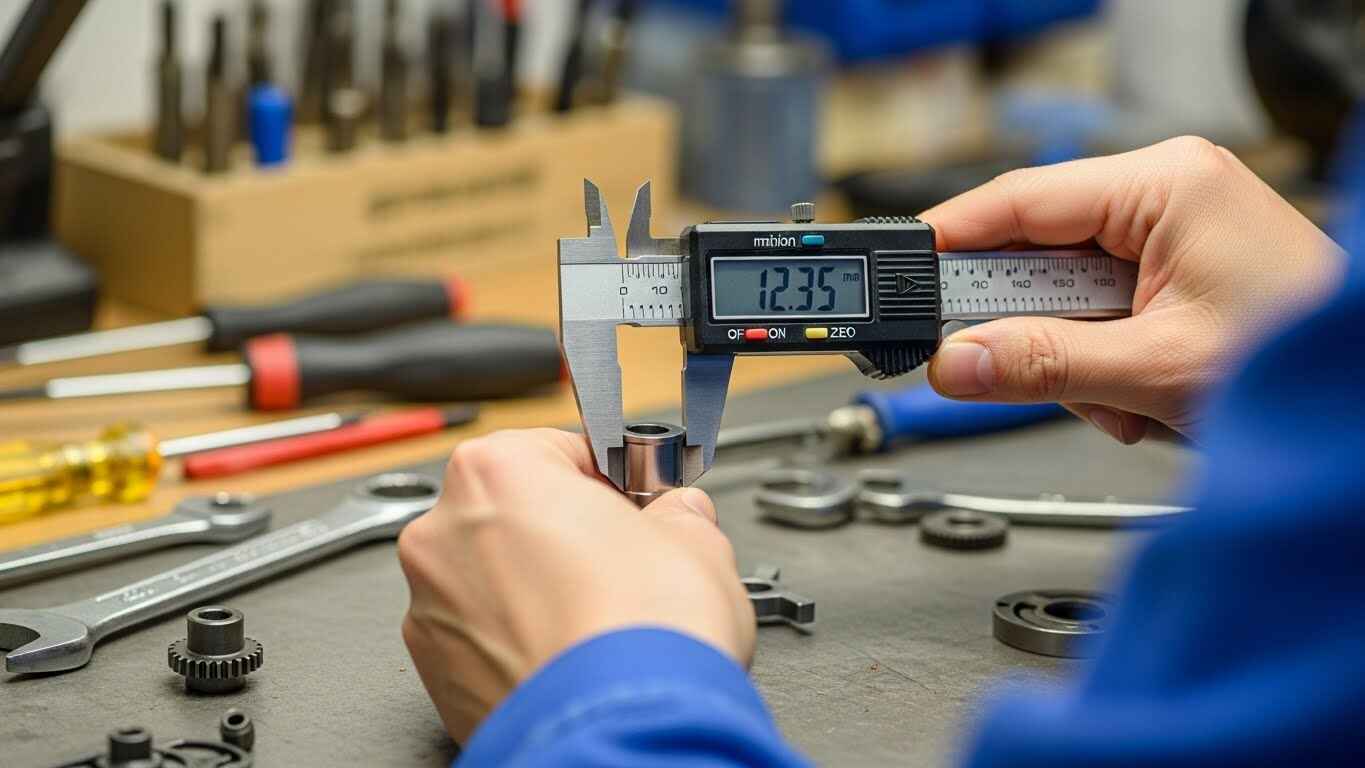
A digital caliper tool is a precision measuring instrument used to measure the internal, external, and depth dimensions of objects. It has a digital display that shows measurements in metric or imperial units.
This tool is widely used by professionals and hobbyists alike because it combines accuracy, convenience, and versatility.
Digital calipers typically feature a sliding scale with a jaw for external measurements, a smaller jaw for internal measurements, and a depth probe.
The digital readout makes it simple to record measurements without manual calculations or reading errors.
Key Features of a Digital Caliper Tool
When selecting a digital caliper tool, it is essential to understand its key features:
1. Digital Display
The most notable feature is its LCD screen, which shows precise measurements. You can switch between millimeters and inches with the press of a button.
2. High Accuracy
Digital calipers can measure with an accuracy of up to 0.01 mm or 0.0005 inches, making them ideal for detailed work.
3. Measurement Range
Most tools have a measurement range of 0–150 mm (0–6 inches), but larger models are available for bigger projects.
4. Versatility
A digital caliper tool can measure external dimensions, internal dimensions, depth, and step measurements, making it a multifunctional instrument.
5. Easy Calibration
Many digital calipers allow zeroing at any point, which is useful for relative measurements and ensures continued accuracy.
Benefits of Using a Digital Caliper Tool
Using a digital caliper tool comes with multiple advantages over traditional rulers or manual calipers.
1. Enhanced Accuracy
The digital display reduces human error, providing accurate and reliable measurements every time.
2. Time-Saving
Unlike manual calipers, you don’t need to interpret scales or do calculations. Readings appear instantly on the screen.
3. User-Friendly
Even beginners can use a digital caliper without training. The clear display and simple buttons make it easy to operate.
4. Flexible Units
Switching between metric and imperial units is simple, which is helpful for projects involving international measurements.
5. Portable and Durable
Most digital calipers are compact and lightweight. Many models come with stainless steel construction for durability.
How to Use a Digital Caliper Tool
Using a digital caliper tool is straightforward, but following a few basic steps ensures precise results:
Step 1: Turn On and Zero the Tool
Switch on the digital caliper and ensure it is set to zero before measuring. This step ensures accurate results.
Step 2: Select Measurement Type
Decide whether you are measuring external, internal, depth, or step dimensions.
Step 3: Take the Measurement
- For external measurements, place the object between the jaws and close gently.
- For internal measurements, use the smaller jaws inside the object.
- For depth, extend the depth probe into the area you want to measure.
Step 4: Read the Display
The measurement will appear on the digital screen. You can switch units if needed.
Step 5: Record or Store
Some digital calipers can store measurements electronically for later use. Otherwise, record manually.
Tips for Maintaining a Digital Caliper Tool
To keep your digital caliper tool accurate and long-lasting, follow these tips:
- Keep it Clean: Dust and dirt can affect accuracy. Wipe the tool after each use.
- Avoid Dropping: Digital calipers are sensitive instruments, so handle carefully.
- Replace Batteries: Ensure the battery is fresh for consistent display performance.
- Store Properly: Use the protective case when not in use to prevent damage.
- Calibrate Regularly: Regular calibration ensures continued precision over time.
Common Applications of a Digital Caliper Tool
A digital caliper tool is versatile and used in many industries and hobbies.
1. Woodworking
Woodworkers use digital calipers to measure precise cuts, dowel holes, and spacing.
2. Metalworking
Engineers and machinists rely on digital calipers for machining parts with tight tolerances.
3. Automotive Repairs
Mechanics use digital calipers to measure parts like brake rotors, cylinders, and valves accurately.
4. Jewelry Making
Jewelers measure stones, rings, and settings with high precision using digital calipers.
5. DIY Projects
Even for home projects, digital calipers help achieve professional results in small-scale tasks.
Advantages Over Traditional Calipers
While traditional calipers are still useful, digital versions offer several improvements:
- Quick Readings: No need to interpret a manual scale.
- Error Reduction: Eliminates misreading the scale.
- Convenience: Easy unit conversion at the touch of a button.
- Memory Functions: Some models store previous measurements.
Choosing the Right Digital Caliper Tool
When buying a digital caliper tool, consider these factors:
- Accuracy: Look for tools with at least 0.01 mm precision.
- Range: Choose a size appropriate for your projects.
- Material: Stainless steel is durable and reliable.
- Display Quality: Clear LCD screens are easier to read.
- Additional Features: Some models offer data output or waterproofing.
Conclusion:
A digital caliper tool is an essential instrument for anyone needing accurate and reliable measurements. It is user-friendly, versatile, and precise, making it a superior choice over traditional measuring tools.
Whether you are a professional, hobbyist, or DIY enthusiast, a digital caliper helps you achieve precision, save time, and improve the quality of your work.
Investing in a good digital caliper tool ensures your projects are accurate, efficient, and professional every time. By understanding its features, applications, and maintenance, you can maximize the potential of this valuable measuring instrument.