
Introduction
A firewood processor is an essential machine for anyone involved in wood processing, firewood production, or forestry operations.
It helps cut, split, and prepare logs efficiently, saving time and labor compared to traditional methods.
With growing demand for firewood in households, commercial businesses, and power generation, firewood processors have become a critical tool.
In this guide, we will explore what a firewood processor is, how it works, its types, key features, benefits, applications, and tips for choosing the right machine.
What Is a Firewood Processor?
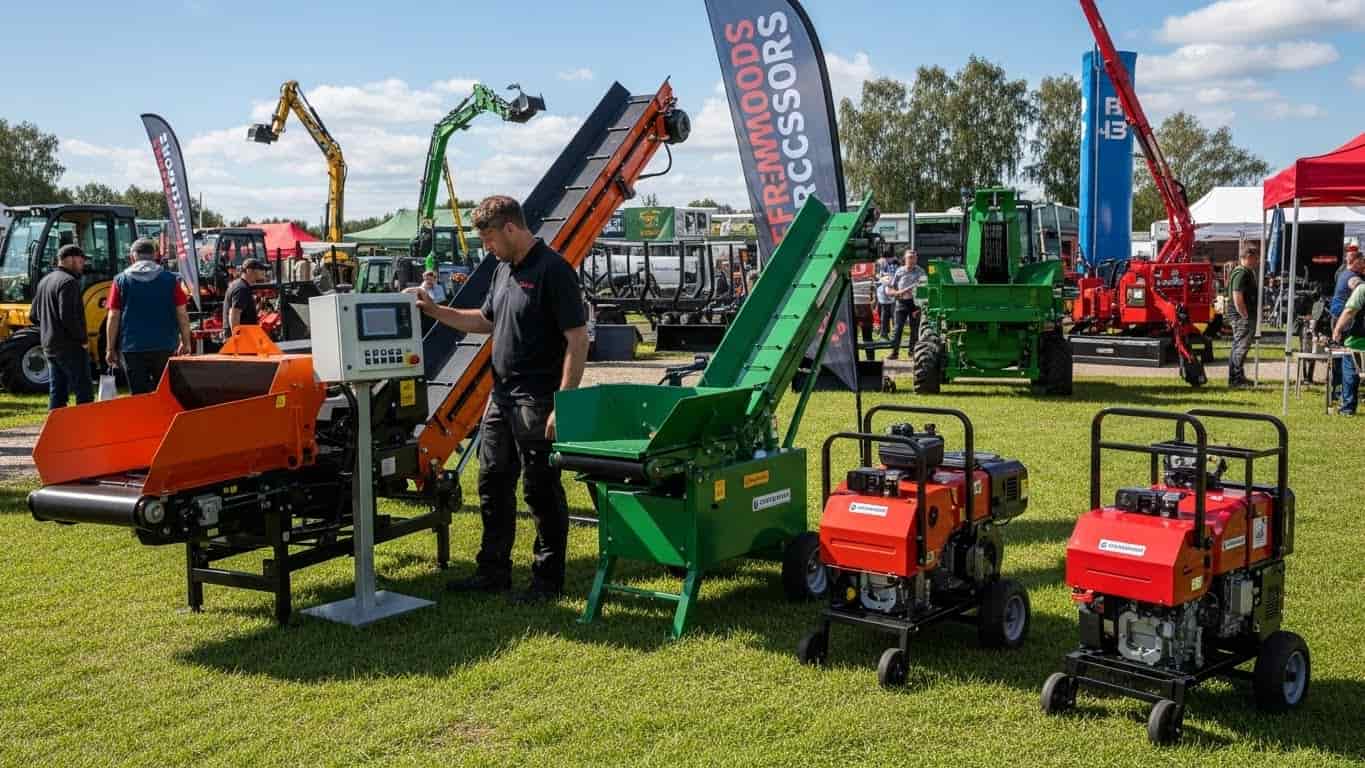
A firewood processor is a specialized machine designed to cut, split, and prepare logs into firewood efficiently. It combines multiple functions into a single system, allowing operators to produce high-quality firewood quickly.
These machines are commonly used in:
- Commercial firewood production
- Forestry operations
- Backyard and residential firewood preparation
- Biomass fuel production
By automating the cutting and splitting process, firewood processors reduce manual labor and increase productivity.
How a Firewood Processor Works
The working of a firewood processor typically involves three main steps:
- Log Loading – Logs are fed into the machine using a conveyor or manual system.
- Cutting – A saw blade or circular saw cuts the logs into desired lengths.
- Splitting – Hydraulic or mechanical splitters split the logs into firewood pieces.
Some advanced firewood processors also include sorting systems to separate wood by size or quality.
Types of Firewood Processors
1. Horizontal Firewood Processors
Logs are fed horizontally into the machine. These processors are ideal for larger operations and can handle heavy-duty logs.
2. Vertical Firewood Processors
Logs are fed vertically and cut into firewood. These are more compact and suitable for smaller production setups.
3. PTO-Powered Firewood Processors
These processors are powered by the Power Take-Off (PTO) of a tractor. They are portable and commonly used in forestry and farm operations.
4. Self-Propelled Firewood Processors
Equipped with wheels or tracks, these machines can move across uneven terrain, making them ideal for commercial operations in forests or large properties.
Key Features of a Firewood Processor
- Hydraulic Splitting System – Provides efficient splitting with minimal effort.
- Adjustable Log Length – Allows customization of firewood sizes.
- Conveyor System – Makes loading and processing faster.
- Durable Construction – Built to handle heavy logs and continuous operation.
- Safety Features – Includes guards, emergency stop buttons, and protective panels.
Benefits of Using a Firewood Processor
1. Increased Efficiency
A firewood processor can produce firewood much faster than manual cutting and splitting, increasing overall productivity.
2. Reduced Labor
By automating the cutting and splitting process, fewer workers are needed, reducing labor costs.
3. Consistent Firewood Size
Firewood processors produce uniform logs, which are easier to store, burn, and sell.
4. Enhanced Safety
Manual splitting with axes or chainsaws can be dangerous. Firewood processors minimize risks by providing a controlled environment.
5. Versatility
They can process different types of logs, including hardwoods and softwoods, depending on the machine.
Applications of Firewood Processors
Firewood processors are used in various sectors:
1. Commercial Firewood Production
Large-scale producers use processors to meet market demand efficiently.
2. Residential and Backyard Use
Homeowners with fireplaces or wood stoves use smaller processors for personal firewood production.
3. Forestry Operations
Processors are used to manage logs and convert them into usable firewood quickly.
4. Biomass and Renewable Energy
Processed firewood can be used in biomass plants as a renewable energy source.
How to Choose the Right Firewood Processor
When selecting a firewood processor, consider:
- Production Volume – How much firewood you plan to produce daily.
- Log Size and Type – Ensure the processor can handle the type of wood you use.
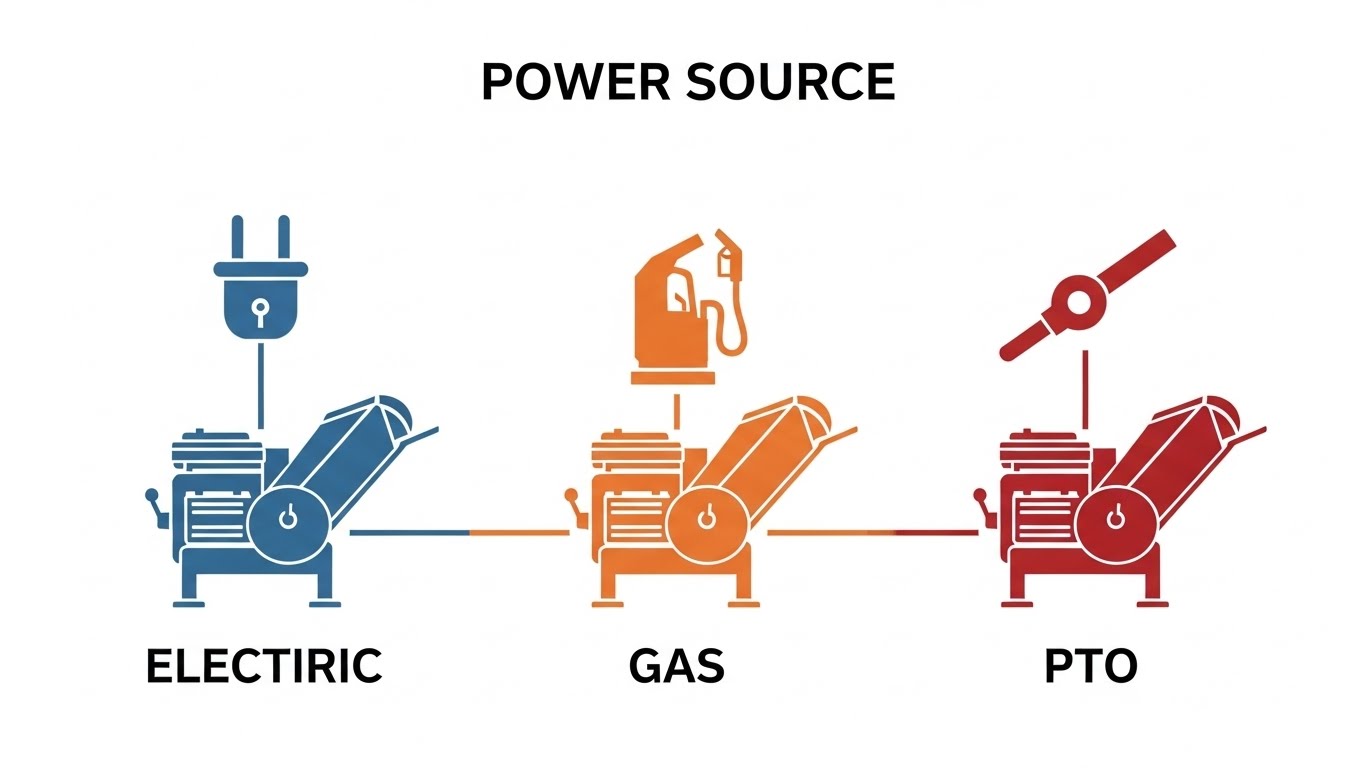
- Machine Power Source – Options include PTO, electric, or engine-powered.
- Automation Level – Some processors include conveyors and sorting systems for faster production
- Budget – Choose a machine that meets your needs without exceeding your budget.
Selecting the right processor ensures better productivity, efficiency, and longevity.
Safety Tips for Using a Firewood Processor
- Always wear protective gear such as gloves, eye protection, and ear protection.
- Keep hands and body away from moving parts.
- Ensure the machine is on a stable surface before operation.
- Use emergency stop buttons when necessary.
- Follow the manufacturer’s guidelines for maintenance and operation.
Adhering to safety precautions reduces accidents and ensures smooth operation.
Conclusion:
A firewood processor is an essential machine for anyone involved in firewood production, forestry, or renewable energy. It provides faster, safer, and more efficient wood processing compared to manual methods.
By understanding the types, features, applications, and maintenance of firewood processors, businesses and homeowners can improve productivity, reduce labor costs, and produce high-quality firewood consistently.
Whether for commercial or personal use, a firewood processor is a smart investment for modern wood processing needs.