
Introduction
A timing advance processor is a key component in modern vehicles that helps improve engine performance, efficiency, and fuel economy. Many people hear this term but are unsure about what it does, how it works, and why it is important.
This article will explain the timing advance processor in simple and clear terms, covering its function, benefits, types, and common uses in automotive systems.
What Is a Timing Advance Processor?
A timing advance processor is an electronic or mechanical device that controls the timing of spark plugs in an engine.
The timing refers to the moment when the spark plug ignites the fuel-air mixture in the combustion chamber. Proper timing is essential for maximum engine efficiency, smooth operation, and reduced emissions.
By advancing or delaying the spark timing, the timing advance processor ensures that the engine runs optimally under different conditions.
How Does a Timing Advance Processor Work?
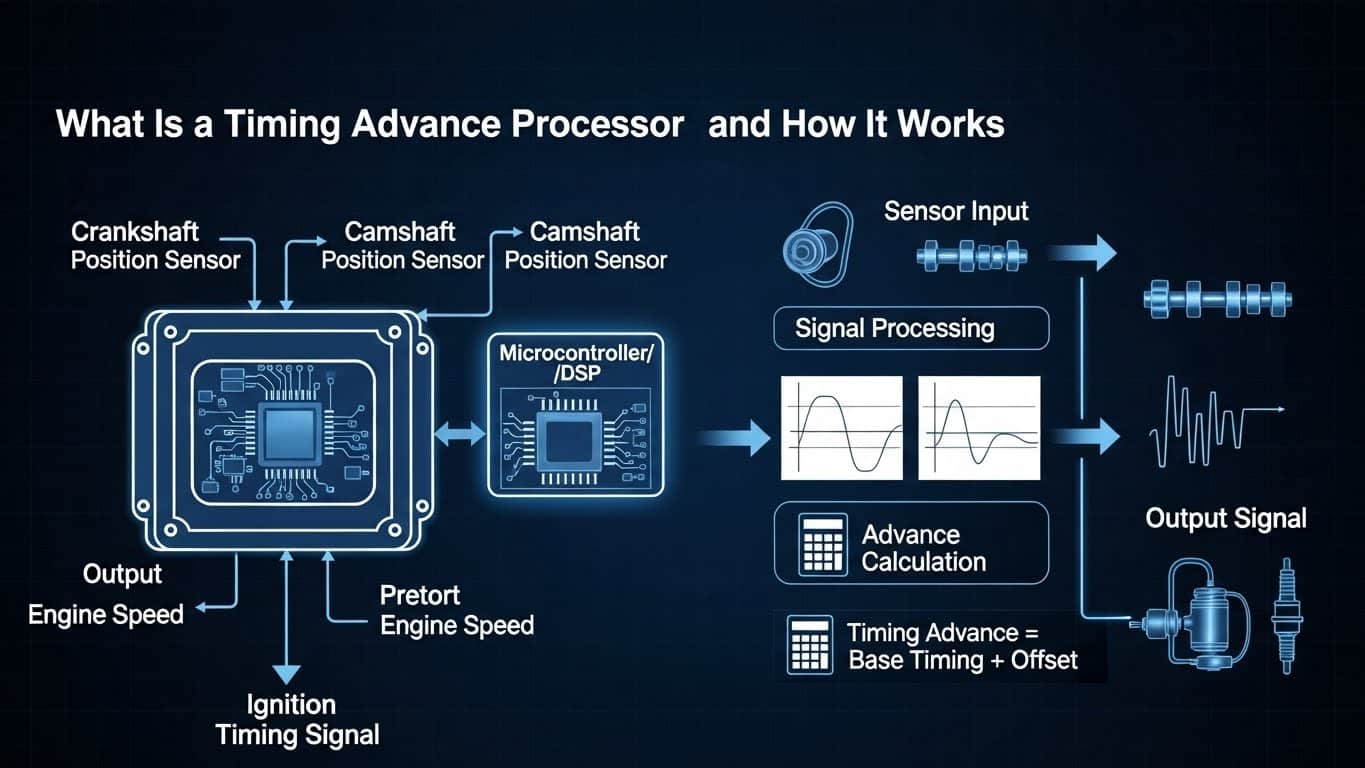
The timing advance processor monitors engine speed, load, and other factors to adjust the spark timing. It works through the following steps:
- Sensors Detect Engine Conditions: Sensors measure speed, temperature, and throttle position.
- Processor Calculates Timing: Based on input from sensors, the processor calculates the ideal spark timing.
- Ignition Adjustment: The processor signals the ignition system to advance or retard the spark.
- Optimized Combustion: The fuel-air mixture burns efficiently, producing better power and fuel economy.
This continuous adjustment allows the engine to perform well under different driving conditions.
Types of Timing Advance Processors
Timing advance processors come in several types depending on vehicle design and technology:
Mechanical Timing Advance
This older type uses centrifugal weights and vacuum systems to advance the timing as engine speed increases.
Electronic Timing Advance
Modern vehicles use electronic processors connected to the ECU (Engine Control Unit). These provide more precise timing control based on multiple sensors.
Digital Timing Advance
Some high-performance cars use digital timing advance systems, which are programmable and allow for fine-tuning by mechanics or car enthusiasts.
Benefits of a Timing Advance Processor
Improved Engine Performance
By adjusting spark timing, the processor ensures the engine runs smoothly and efficiently at all speeds.
Better Fuel Efficiency
Optimized timing reduces wasted fuel, saving money and reducing emissions.
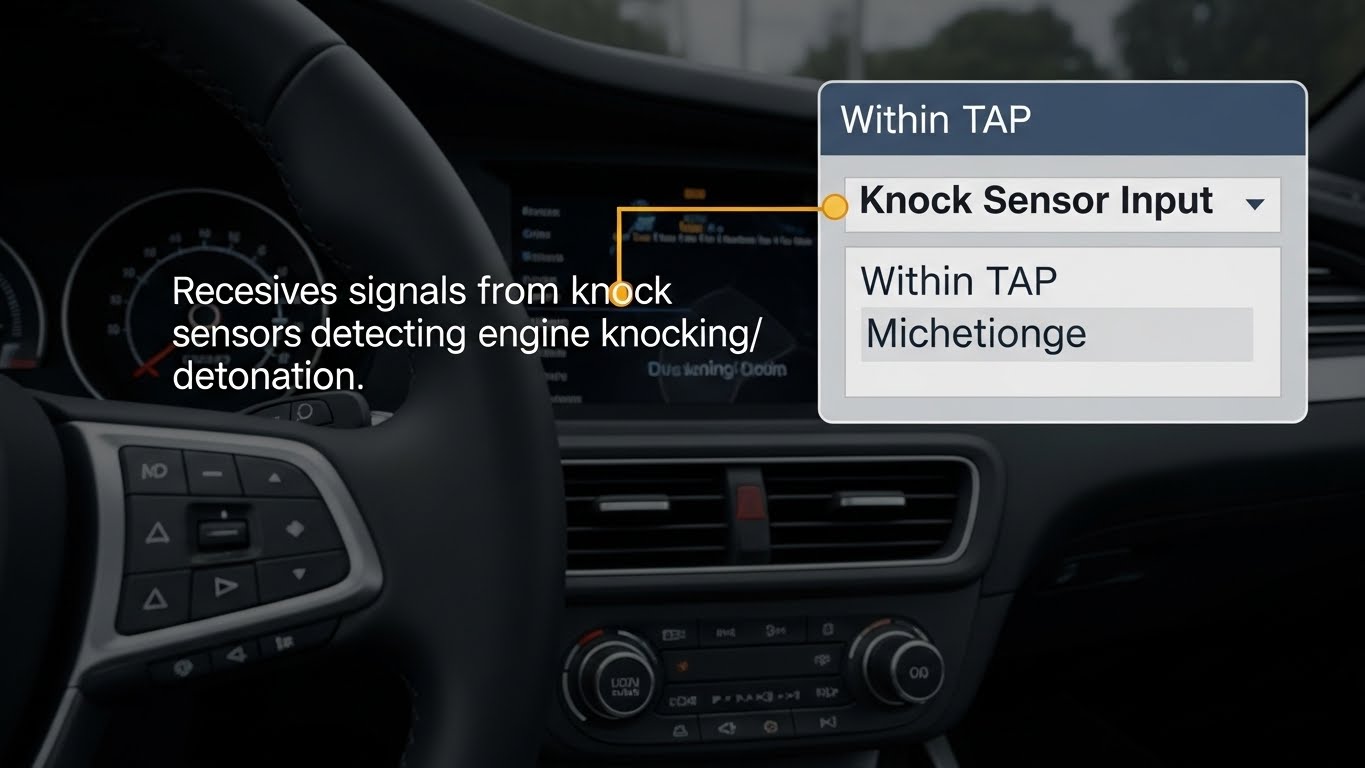
Reduced Engine Knock
Engine knock occurs when fuel ignites prematurely. The timing advance processor prevents this by adjusting spark timing appropriately.
Enhanced Acceleration
Proper spark timing improves throttle response and acceleration performance.
Lower Emissions
Correct combustion reduces harmful exhaust emissions, making the vehicle environmentally friendly.
Timing Advance Processor in Modern Cars
In modern vehicles, the timing advance processor is integrated with the ECU. It communicates with sensors like:
- Crankshaft position sensor
- Throttle position sensor
- Oxygen sensor
- Engine temperature sensor
This integration allows precise timing control, improving performance across various driving conditions.
How to Know If Your Timing Advance Processor Is Working Properly
Signs of a malfunctioning timing advance processor include:
- Poor fuel economy
- Engine knocking or pinging sounds
- Rough idling
- Loss of power during acceleration
- Check engine light turning on
Regular maintenance and diagnostics can detect timing issues early.
Adjusting or Upgrading a Timing Advance Processor
Some car enthusiasts upgrade their timing advance processors to improve performance. This can involve:
- Reprogramming the ECU
- Installing high-performance electronic timing controllers
- Fine-tuning timing for specific fuels or racing condition
Proper adjustments should always be done by experienced mechanics to avoid engine damage.
Timing Advance Processor in Diesel vs. Petrol Engines
In petrol engines, spark timing is crucial because ignition relies on the spark plug. Diesel engines use compression ignition, so timing adjustments focus more on fuel injection timing.
However, modern diesel engines may still use timing advance processors to control injection and combustion timing electronically.
Common Misconceptions About Timing Advance Processors
- “It only affects speed.” Timing advance affects performance, fuel efficiency, and emissions.
- “Old cars don’t need it.” Even older vehicles use mechanical timing advance to improve combustion.
- “It’s only for performance cars.” All engines benefit from proper timing adjustment for smooth operation.
Maintenance Tips for Timing Advance Processors
- Regularly check engine sensors for accuracy
- Ensure spark plugs are clean and functioning properly
- Avoid low-quality fuel that can cause knocking
- Follow manufacturer-recommended service schedules
- Consult professionals for ECU or digital timing adjustments
Proper maintenance ensures the timing advance processor works efficiently.
Why Timing Advance Processor Is Important for Engine Longevity
Correct timing reduces engine stress and prevents knocking, overheating, or incomplete combustion. This prolongs the life of engine components and reduces repair costs over time.
Conclusion:
A timing advance processor is a vital part of modern and traditional engines. It controls spark timing, ensuring smooth combustion, better performance, fuel efficiency, and reduced emissions.
Understanding how it works helps car owners, mechanics, and enthusiasts optimize engine performance and longevity.
Whether in everyday cars or high-performance vehicles, the timing advance processor plays a key role in keeping engines running efficiently and safely.
By maintaining the timing advance system and using it properly, you can enjoy a reliable, powerful, and fuel-efficient vehicle.