

Introduction
Understanding oral health problems early can help prevent bigger issues in the future. Many people deal with receding gums, gum boils, gum disease, and even gum abscesses.
These issues can cause discomfort and can affect overall dental health if ignored.
In this guide, we will discuss receding gums stages, what a gum boil is, the best toothpaste for gum disease, and what you should know about how to drain a gum abscess at home safely (and why it is not recommended).
What Are Receding Gums?
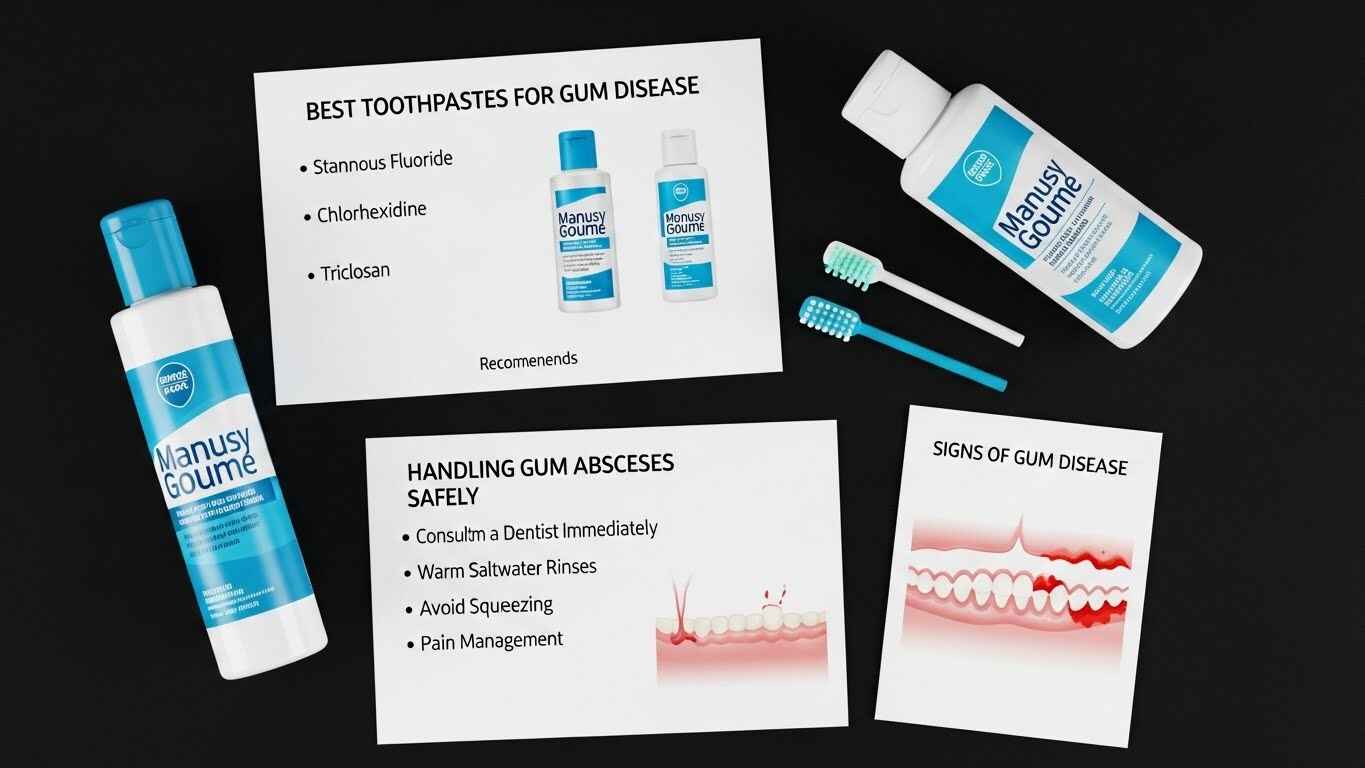
Receding gums happen when the gum tissue around your teeth begins to pull back or wear away. This exposes more of the tooth and even the root in some cases.
Understanding receding gums stages helps you identify the problem early.
Receding Gums Stages Explained
Stage 1: Early Gum Recession
In the first stage of receding gums, you may not notice major symptoms. The gums start to slightly pull away from the teeth.
Many people experience mild sensitivity, especially when eating hot or cold foods. During this stage, brushing too hard or poor oral hygiene can make the condition worse.
Stage 2: Moderate Gum Recession
In the second stage of receding gums stages, the gums pull back further and the roots of the teeth may start to become visible.
You might feel more sensitivity and may even notice small gaps between the teeth and gums where plaque builds up easily.
Stage 3: Deep Gum Recession
This is the more advanced stage. The roots are clearly visible, and the teeth might appear longer. You may also notice bleeding gums or swelling.
At this stage, professional dental treatment is very important to prevent further damage.
Stage 4: Severe Recession with Possible Bone Loss
In the final stage of receding gums stages, the gum tissue has significantly pulled away and bone loss may occur. Loose teeth or shifting teeth are common here. This is a serious dental issue and needs immediate care from a dentist.
Causes of Receding Gums
Understanding the causes can help prevent the condition. Common causes include:
- Aggressive brushing
- Gum disease
- Poor oral hygiene
- Genetics
- Smoking
- Teeth grinding
Recognizing these factors can help manage the early receding gums stages better.
What Is a Gum Boil?
A gum boil is a small bump on the gum that is filled with pus. It often appears due to an infection in the gums or tooth. Gum boils can be painful or sometimes painless but are a clear sign of inflammation.
Types of Gum Boils
1. Periodontal Gum Boil
This type occurs due to gum disease. As the infection builds up under the gum, it creates a boil-like bump. This often appears in people with advanced gum disease.
2. Periapical Gum Boil
This gum boil happens due to an infection inside the tooth root. A cavity or injury can lead to the infection spreading, causing a boil on the gum surface.
Common Symptoms of a Gum Boil
If you have a gum boil, you may notice:
- Swelling on the gum
- A small bump that may release pus
- Pain or pressure
- Bad taste in the mouth
- Redness around the area
If a gum boil is left untreated, the infection can spread, so timely care is important.
How to Drain a Gum Abscess at Home (Important Safety Information)
It is essential to know that you should not drain a gum abscess at home. Trying to do so can cause serious complications, including infection spreading to deeper tissues or into the bloodstream.
While the keyword “how to drain a gum abscess at home” is commonly searched, doing it yourself is unsafe.
Instead of draining it, you can safely manage symptoms at home while waiting to see a dentist.
Safe Steps You Can Take at Home
Here are safe, non-harmful ways to reduce pain and swelling:
- Rinse with warm saltwater
- Use a cold compress
- Take over-the-counter pain relievers
- Maintain gentle oral hygiene
These steps do not drain the abscess but help you stay comfortable until professional care is available.
Why You Should Not Drain a Gum Abscess at Home
Attempting to drain an abscess on your own can lead to:
- Worse infection
- Tissue damage
- Increased swelling
- Spread of bacteria
- Severe complications
A dentist will safely drain the abscess, clean the infection, and provide proper treatment such as antibiotics.
When to See a Dentist
If you notice any of the following, seek professional help:
- Severe pain
- Fever
- Swelling that does not improve
- Gum boil that keeps returning
- Signs of infection
- Worsening receding gums stages
Getting timely care prevents long-term damage and ensures proper healing.
How to Prevent Gum Problems
Prevention plays a major role in keeping your gums healthy. Simple steps include:
- Brushing twice a day
- Using the best toothpaste for gum disease if needed
- Gentle, proper brushing
- Regular dental check-ups
- Using mouthwash
- Avoiding tobacco products
- Eating a balanced diet
These habits help control plaque, reduce gum inflammation, and prevent serious issues like gum boils and abscesses.
Conclusion:
Understanding receding gums stages, the causes of gum boils, selecting the best toothpaste for gum disease, and knowing the truth about how to drain a gum abscess at home can help you make informed decisions.
While some problems start mild, they can worsen quickly without treatment. Maintaining daily oral hygiene and consulting a dentist when needed are the best steps to avoid serious gum and tooth issues.